
The History of KERN & SOHN
From the Beginnings of the Precision Balance to the Present Day
The roots of KERN & SOHN reach back a long way: they lie in the developments of Württemberg pastor and engineer Philipp Matthäus Hahn (*1739 – † 1790) and in the craftsmanship of scale maker Jakob Sauter I (*1743 – † 1805), who laid important foundations for precision balance manufacturing. With the founding of KERN & SOHN in 1844 began the history of a family business that, over eight generations, developed into an internationally active manufacturer of professional weighing technology and measurement technology and is today regarded as Germany's oldest precision balance manufacturer.
The continued existence of the family business was repeatedly challenged over the course of its history. Several premature deaths within the family raised difficult questions of succession. This makes the successful continuation of the company across eight generations all the more remarkable. Precision, quality and technological progress have shaped KERN & SOHN from its founding to the present day.
Discover the key milestones from more than 180 years of company history.
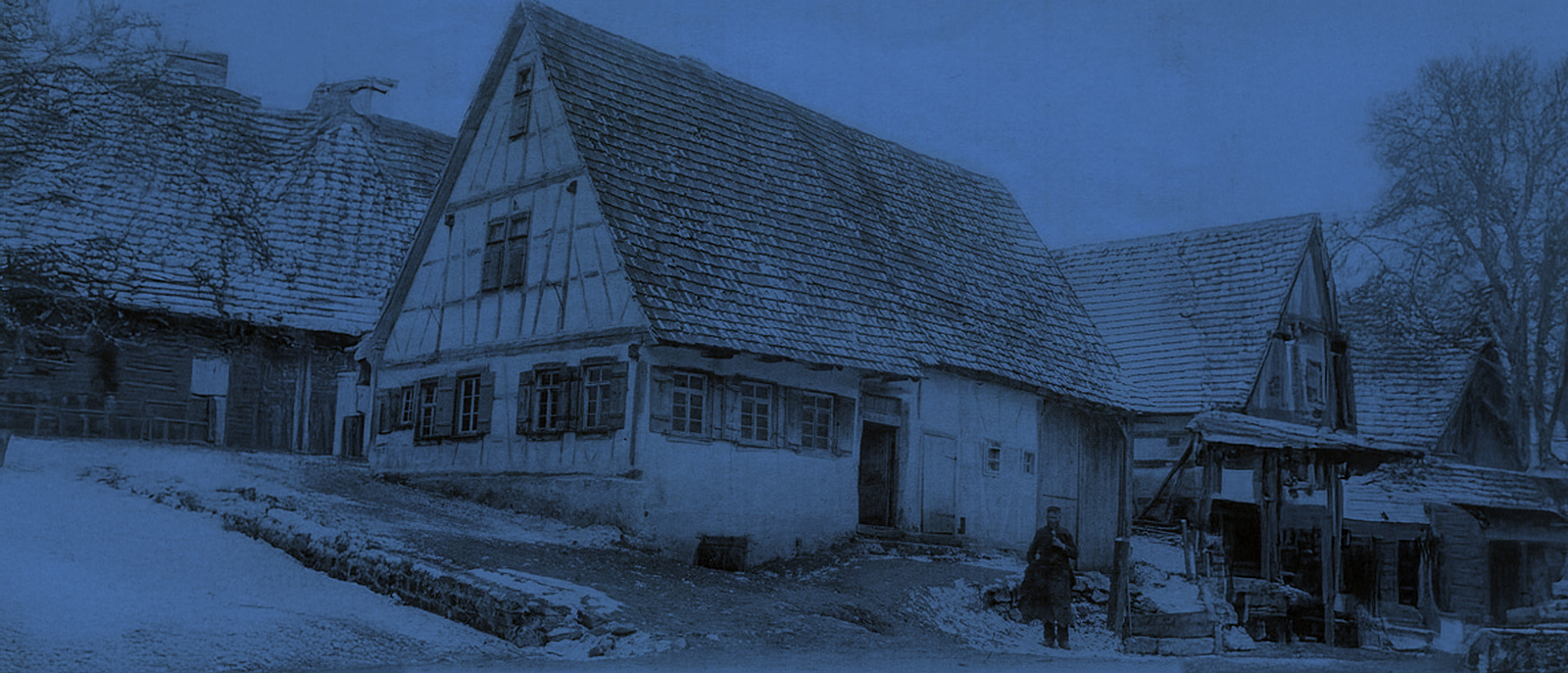
1767 – 1810
The Beginnings of Scale Manufacturing
Everything under one roof: Living – Workshop – Agriculture
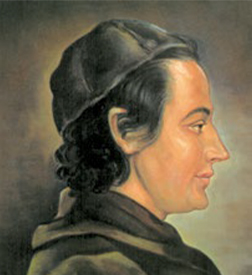
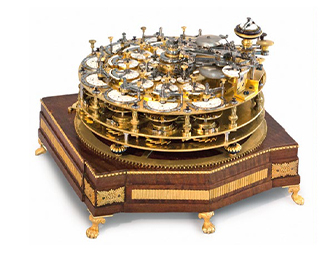
First Dial Scale by Philipp Matthäus Hahn and Jakob Sauter I
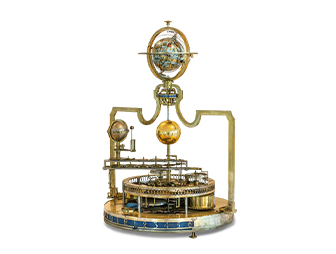
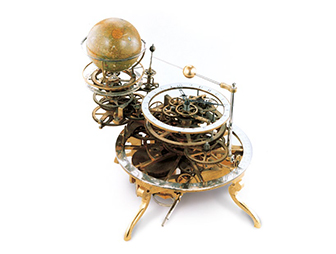
Philipp Matthäus Hahn (*1739 – † 1790) was a Württemberg pastor, engineer and pioneer of precision balance manufacturing. With his designs, he laid important foundations for the later development of weighing technology in Württemberg. While building an elaborate astronomical clock in Onstmettingen, he worked closely with village blacksmith and scale maker Jakob Sauter I. Sauter transformed Hahn's designs into working instruments with exceptional craftsmanship. Around 250 years ago, this collaboration resulted in the Hahn dial scale – a technical innovation that displayed the weight directly by means of a pointer. It marks the historical roots of KERN & SOHN.
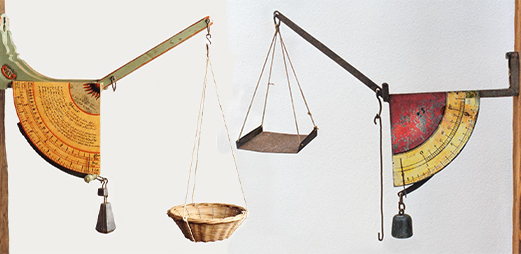
Beginning of the family history of scale making
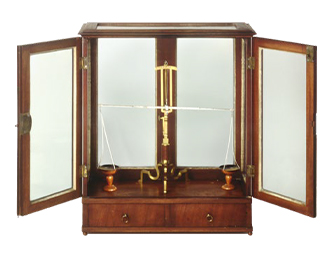
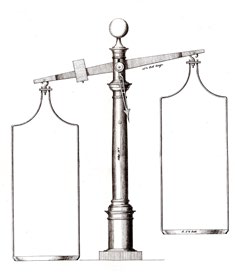
The first Hahn scale was made entirely of wood, but its weighing capacity was limited to 20 pounds. To weigh loads of 100 pounds or more, the scale had to be made of iron. This was where the expertise of the village blacksmith and Hahn's colleague, Jakob Sauter I, came into its own.
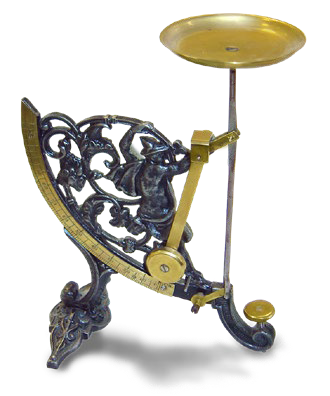
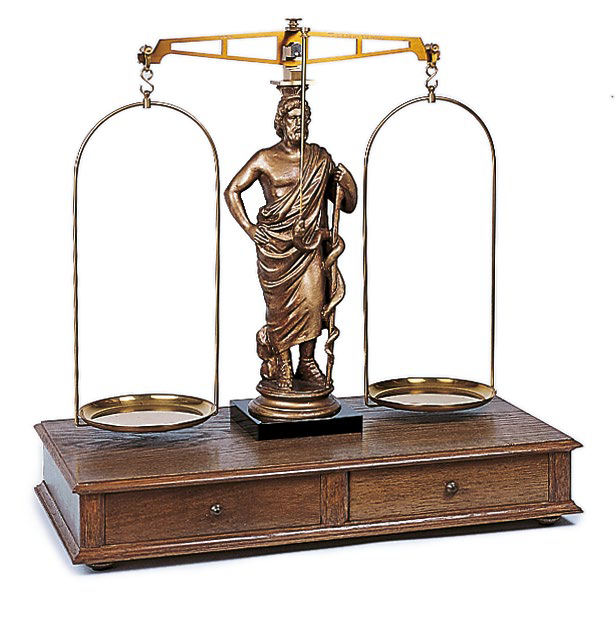
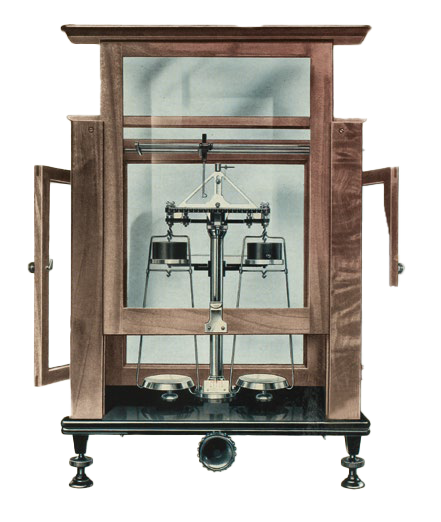
In 1769, the time had come: the Hahn iron scale was born, with a weighing capacity of up to 200 pounds. An important foundation of weighing technology had been laid – the inclination scale. Its design endured for generations: many will recognize it as the classic inclination scale with a pointer once commonly found in traditional grocery shops.
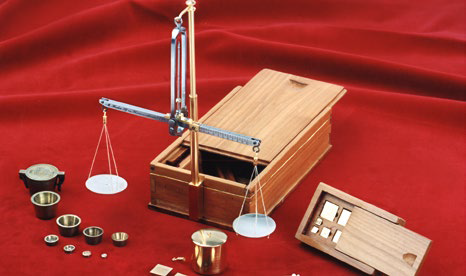
The Next Generation of the Sauter Family
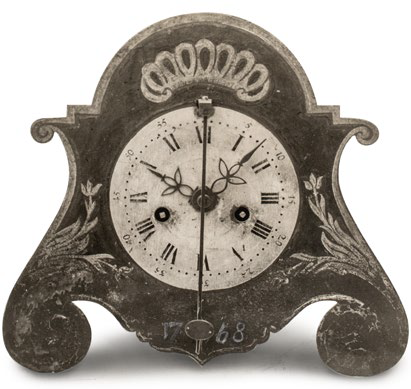
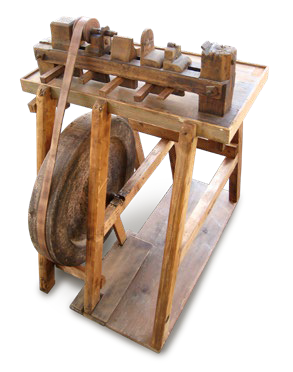
At the same time, Jakob Sauter I became a clockmaker and precision mechanic and trained three of his sons to become highly skilled precision mechanics. During the Napoleonic Wars, Württemberg suffered increasing economic hardship, forcing his sons Jakob Sauter II and Johannes Sauter to emigrate. They went on to achieve outstanding accomplishments in precision mechanics in Sweden and France. As a result, their hometown lost a wealth of valuable technical expertise. Only one son, Simon Sauter, remained in his hometown of Onstmettingen.
1820 – 1830
The Miracle in the Mountains
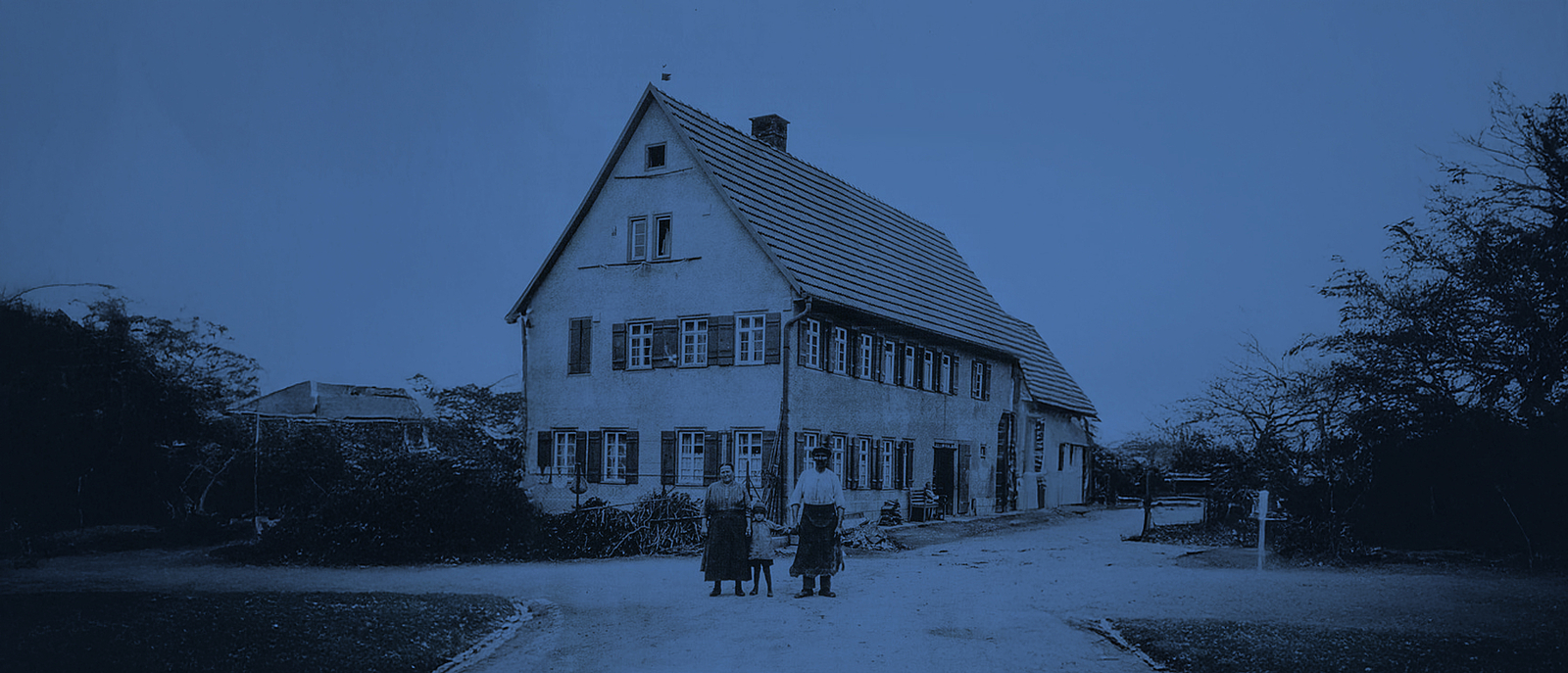
Simon Sauter’s home in Onstmettingen
The Daredevil – The Man with the “Fine Balance Beams"
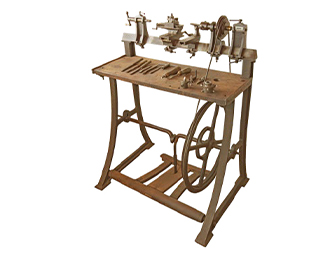
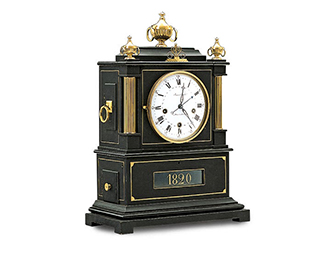
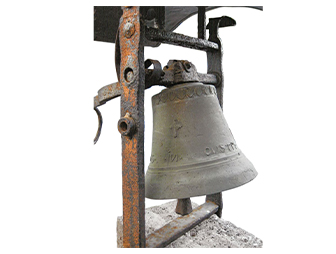
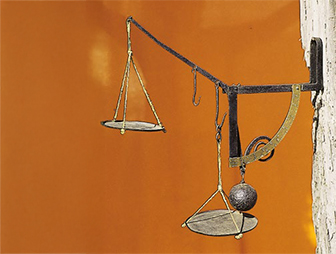
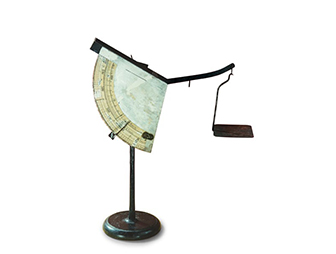
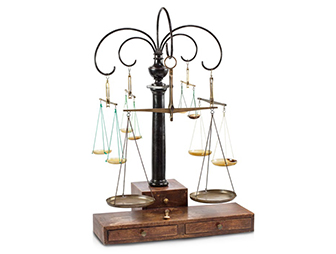
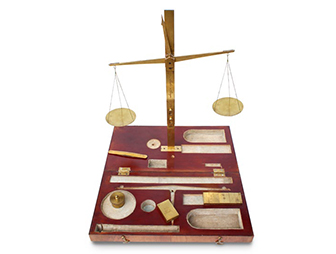
After 1812, the difficult period of the Napoleonic Wars gradually drew to a close, while trade and crafts slowly began to recover. Simon Sauter took over the workshop of his father, Jakob Sauter I, and became a pioneer of a new trade. In 1820, he produced an elaborate clock as his masterpiece, demonstrating his exceptional skills as a clockmaker and precision mechanic. Around 1820, he began offering his “fine weighing beams” through wholesalers and trading companies – the forerunners of today’s precision balances. This marked a new stage in precision balance manufacturing by the Sauter family.
The Beginnings of Precision Balance Manufacturing in Onstmettingen
The design of Pastor Hahn’s highly precise balance from 1774 was revived. The times were favourable, allowing Simon Sauter and three of his sons to devote themselves entirely to the manufacture of precision balances. The remote village of Onstmettingen became the birthplace of a specialization that would have been almost unimaginable at the time. It is remarkable that such precise balances were being manufactured in this mountain village, far from universities and long before there was any industrial demand for them.

1831 – 1843
On the Road to Independence
Around 1840: First workshop of Jakob III and Matthäus Sauter
Despite Strong Orders – Difficult Times for the Sauter Family
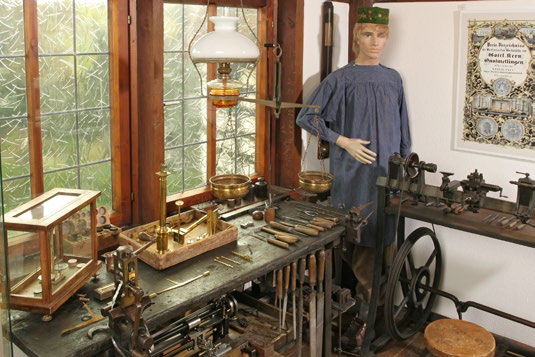
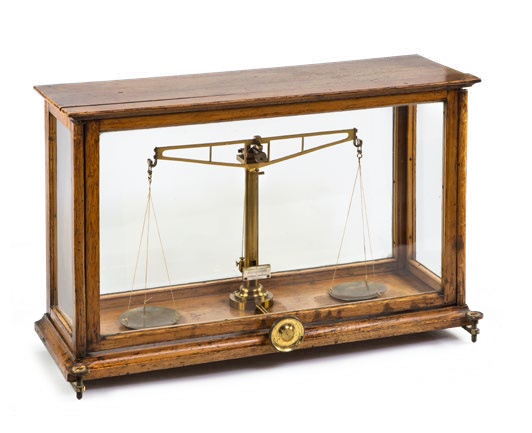
The precision balance business was flourishing. Two of Simon Sauter’s sons, Jakob Sauter III (*1808 – † 1844) and Matthäus Sauter (*1818 – † 1846), took over the workshop. But then the family was struck by severe blows of fate: both died within a short period of each other, neither having reached the age of 40. The workshop was left without leadership, and succession within the Sauter family initially seemed impossible. Closure threatened – the future of the workshop hung by a thread.
Auguste Sauter and Gottlieb Kern – A Pivotal Union
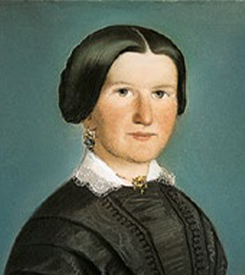
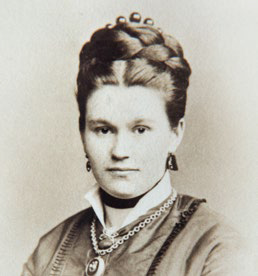
Auguste Sauter, the widow of the late mechanic Matthäus Sauter, asked the Onstmettingen municipal council for permission to end her mourning period early so that she could become engaged to Gottlieb Kern.
1844 – 1869
The Founding of KERN & SOHN
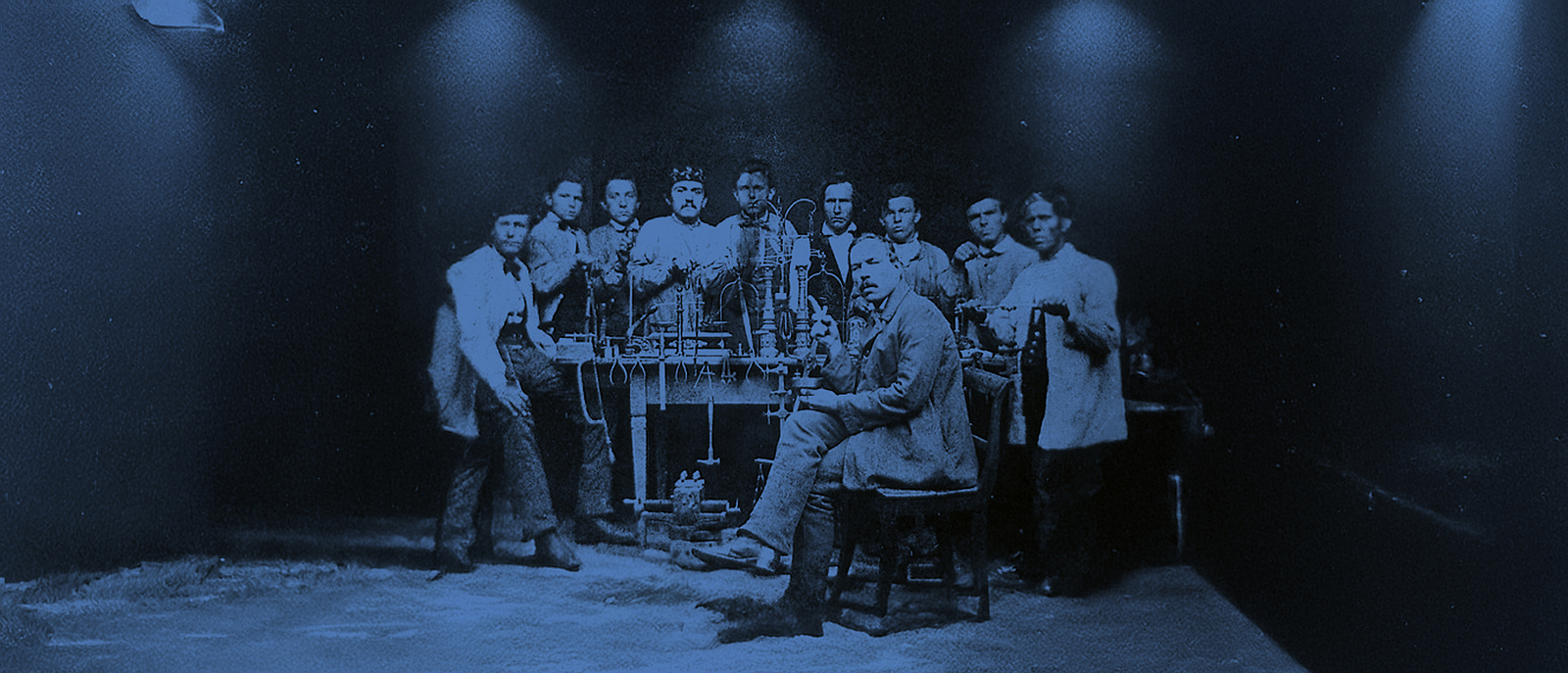
1863: Gottlieb Kern (seated in front) with his mechanics
The Founding of KERN & SOHN by Gottlieb Kern
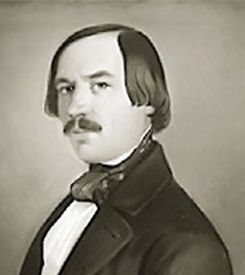
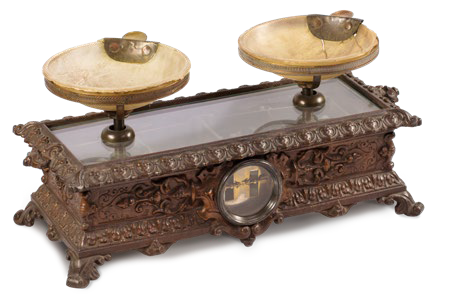
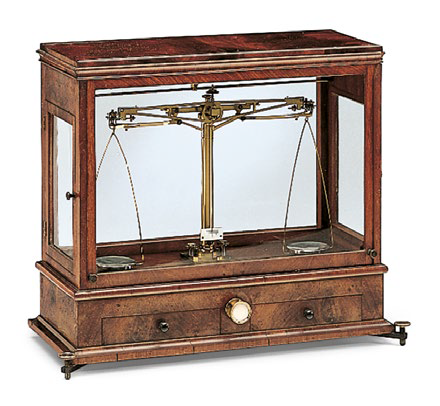
This was the moment for Gottlieb Kern. As a newcomer to the trade, he joined the Sauter workshop, married the widow of Matthäus Sauter and became a caring stepfather to the newborn Albert Sauter. The workshop continued to grow: with nine employees in 1863, Gottlieb Kern’s business was already classified for tax purposes as a large enterprise in Württemberg. The serial production of precision balances began, and the brand name GOTTL. KERN & SOHN became known both in Germany and abroad.

1870 - 1901
Industrialization and the New Generation
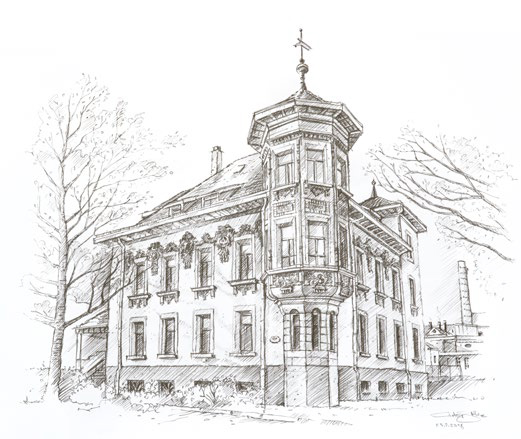
1885/86: New business and residential building
Albert Sauter Joins the Company – The Next Generation
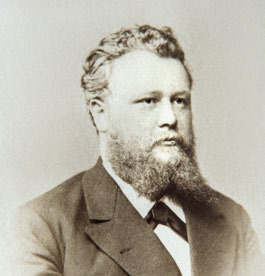
Albert Sauter joined the company in 1870. He had a good relationship with his stepfather Gottlieb Kern. The company name was changed to GOTTL. KERN & SOHN – even though Albert was actually Kern’s stepson. He consistently drove forward the mechanization of the business. Investment in new machinery was high, prompting Gottlieb Kern to exclaim: “Albert – you’ll have us under the hammer yet!” But that never happened: with 22 employees, KERN developed into one of Germany’s largest manufacturers of precision balances.
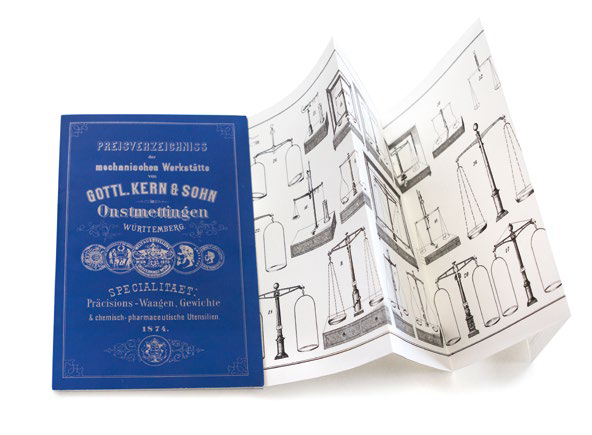
The year 1871 brought another decisive change: the traditional Württemberg units of weight, such as Lot and Pfund, had become obsolete. Modern metric units such as grams and kilograms became legally established. A wave of orders followed. Gottlieb Kern and Albert Sauter initially struggled to keep up with demand and were able to fulfil only around half of all orders.
New KERN Headquarters in Ebingen
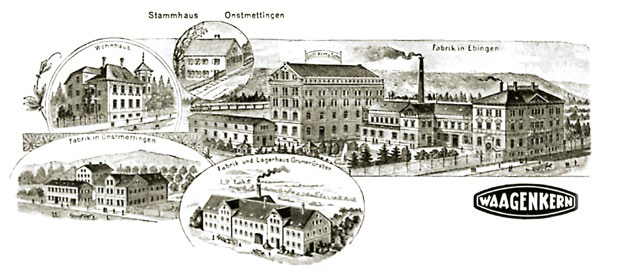
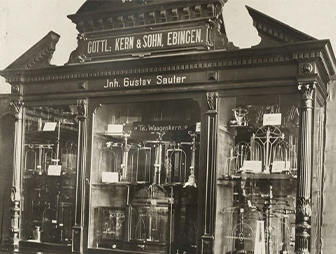
In 1885, GOTTL. KERN & SOHN relocated its headquarters from Onstmettingen to a new company building in nearby Ebingen (today Albstadt-Ebingen). One of the key reasons for the move was the new railway connection in Ebingen. After the death of Gottlieb Kern, Albert Sauter became the sole owner, as there were no descendants in the Kern family line. Albert Sauter was not only an entrepreneur but also one of the most active citizens of the town of Ebingen. In 1902, the King of Württemberg awarded him the honorary title of “Commercial Councillor”.
1902 - 1931
Change & Growth
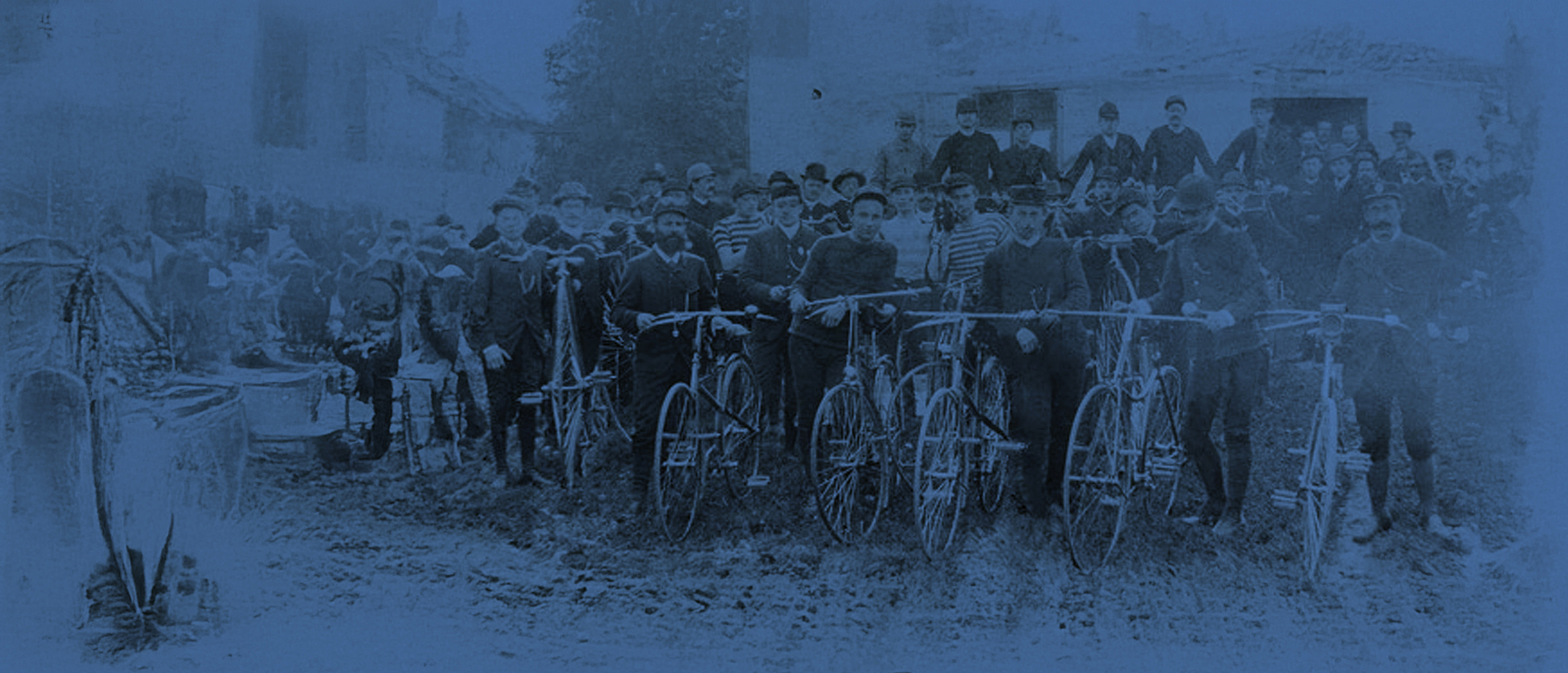
Gustav Sauter in the “Germania” cycling club in Stuttgart, one of the first cycling clubs
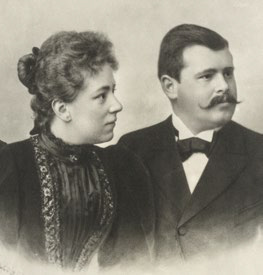
Growing Competition in the Weighing Industry
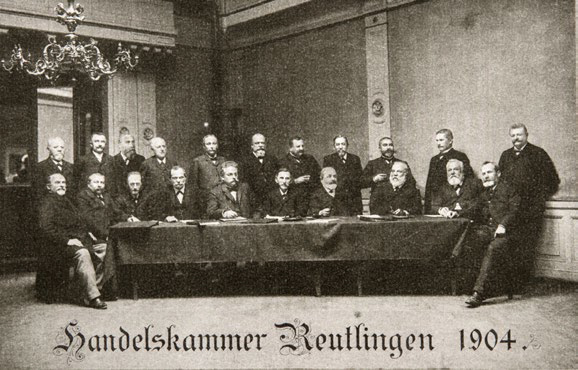
As industrialization advanced in Germany, competition within the weighing industry also increased sharply. New scale manufacturers emerged in large numbers, and price pressure became so intense that even customers urged manufacturers to place greater emphasis on quality again. In 1902, the Reutlingen Chamber of Commerce wrote in desperation: “And so there is nothing left to do but hope that an angel will come down from heaven and help.” Grimly enough, it was not an angel that came to the rescue, but the First World War.
KERN in Times of War, Inflation and Social Change
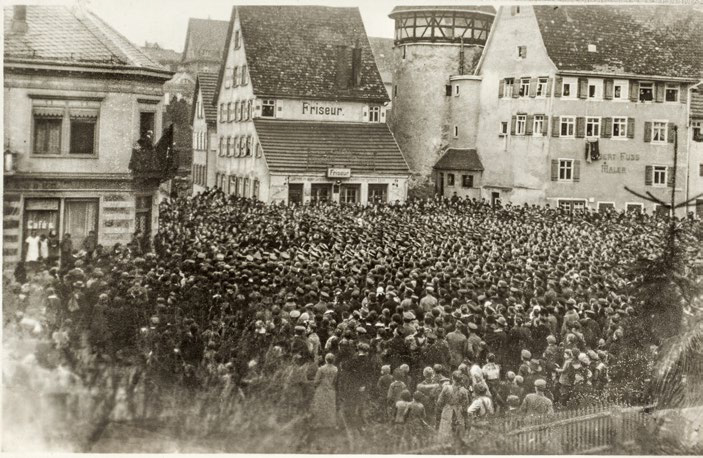
During the First World War, the military turned to the weighing industry and ordered hospital scales, powder scales and, eventually, components for rifles and fuses. Gustav Sauter guided the company through the turmoil of the First World War and the inflation that followed. To ensure that he could continue paying his employees’ wages, he even had his own emergency money printed on wrapping paper.
After the war, a new era began: in 1918, women worked in scale factories for the first time. At the same time, collective bargaining between employers and employees began to take shape. The struggle for standardized wages led to months of strikes and lockouts. With the introduction of the eight-hour working day, weekly working hours were eventually reduced to 48 hours.

1932 - 1959
Between Progress & War
1944: Administration and residential building after the air raid
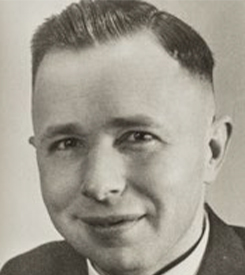
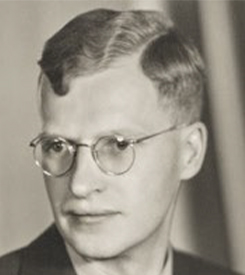
Paul and Walter Sauter – KERN during the Economic Crisis and the Second World War
In the midst of the severe economic crisis of the Weimar Republic, Paul and Walter Sauter took over from their father Gustav Sauter in 1932. The economic situation was difficult: the turnover of GOTTL. KERN & SOHN fell by 50%. After 1933, the few remaining years of peace were used intensively. But before long, precision engineering companies were forced to switch their production to military equipment – whether they wanted to or not.
In 1944, Paul and Walter Sauter were killed in an air raid on the company premises. Once again, the future of KERN & SOHN hung by a thread.
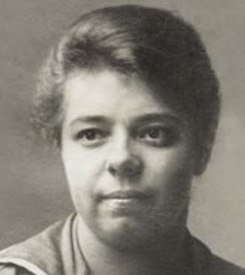
Else Sauter – Continuing the Company and a Difficult New Beginning
After the deaths of Paul and Walter Sauter, their sister Else Sauter did everything she could to keep the business running and preserve the company for Walter Sauter’s children. She succeeded, but the economic boom of the 1950s largely passed GOTTL. KERN & SOHN by. Business declined, and the company increasingly had to draw on its reserves – KERN saw little benefit from Germany’s post-war economic miracle.
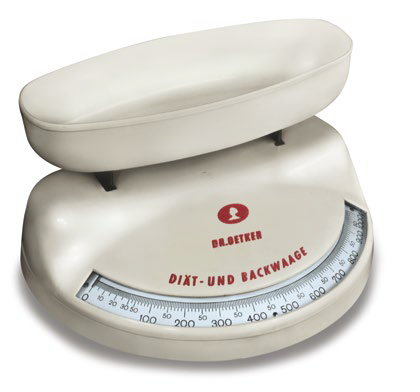
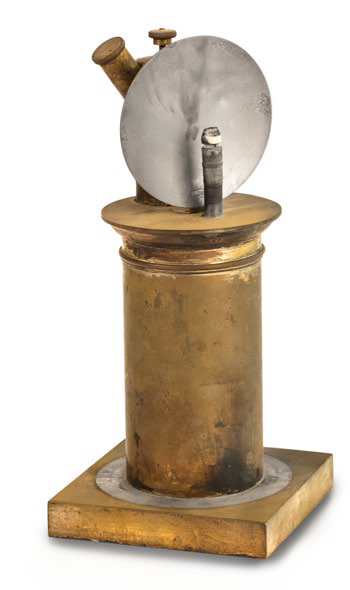
In 1954, GOTTL. KERN & SOHN attempted a fresh start with a diet and baking scale produced for Dr. Oetker.
1960 - 2002
KERN is back in the game
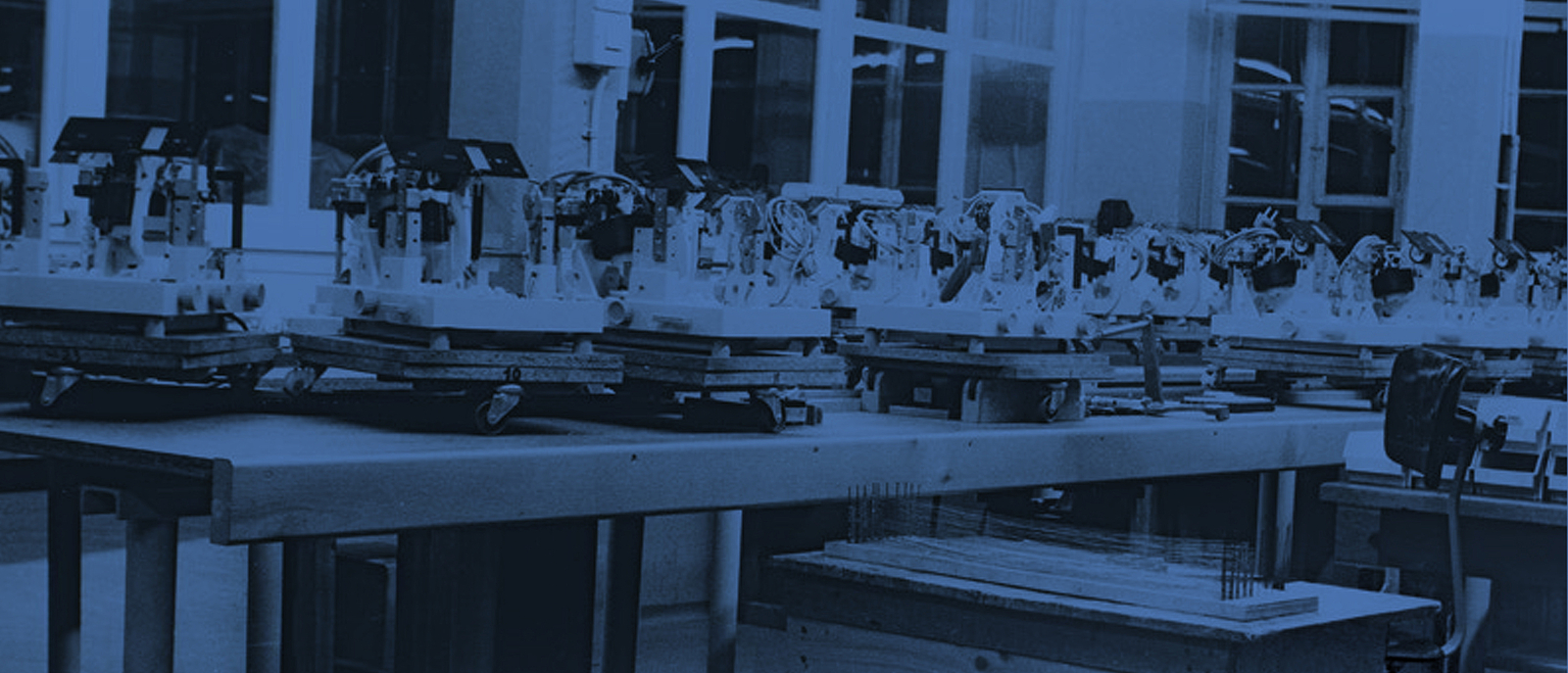
Around 1970: Production line for assembly of the Model 110 balance
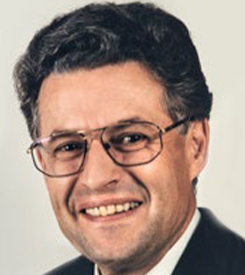
Martin Sauter – Technological Renewal in the Age of Electronics
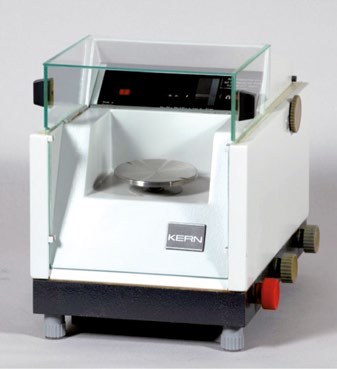
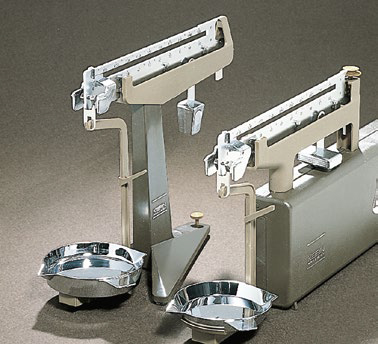
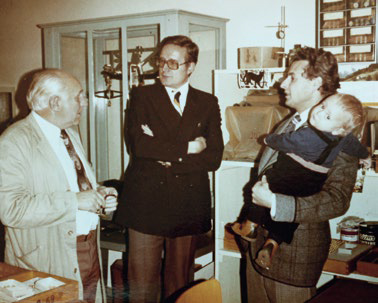
At just 22 years old, Martin Sauter, son of Walter Sauter, who had died in 1944, took on a difficult task at KERN. The product range was severely outdated and required fundamental modernization. After years of intensive rebuilding and development, KERN was once again well positioned in the market for mechanical scales, and business began to recover.
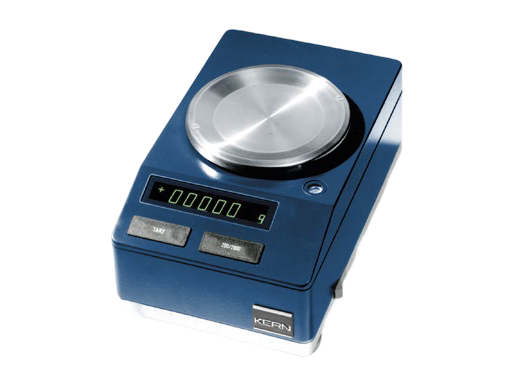
But the recovery was short-lived: in the 1970s, the rise of electronics increasingly displaced mechanical weighing technology – a profound technological transformation for KERN. Once again, the company embarked on a new beginning, which ultimately succeeded with the help of globalization.
Calibration Services, Growth and Relocation to Balingen
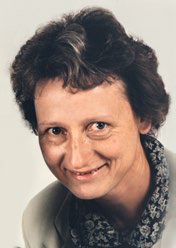
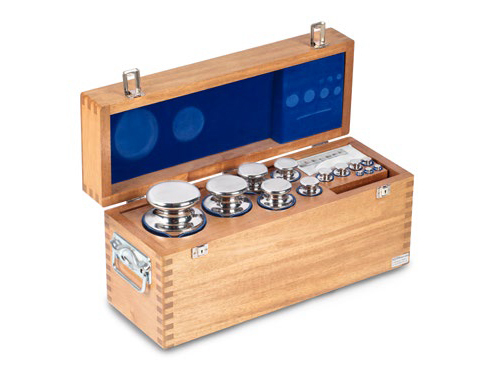
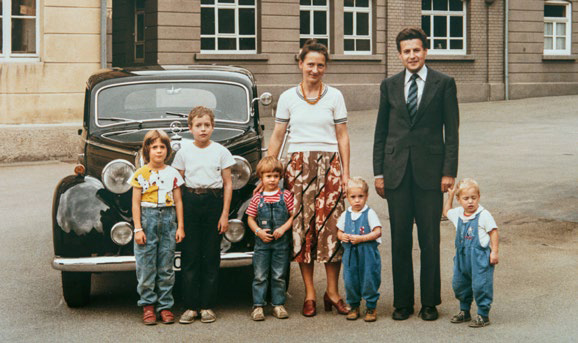
KERN expanded its range of services to include high-quality metrological testing services such as the calibration of scales and weights. The KERN calibration laboratory was accredited in 1994. During this period, the company experienced strong growth. Martin Sauter was actively supported by his wife, Dr. Marijke Sauter, in sales and finance.
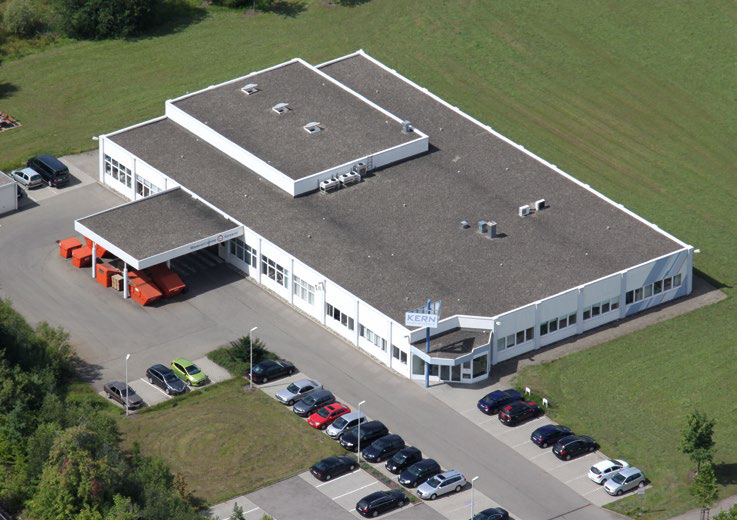
The factory built by his great-grandfather and grandfather in the centre of Ebingen eventually became too small. In 2000, KERN therefore relocated to a new facility in Balingen-Frommern.
2003 - 2023
Digitalization & Global Precision
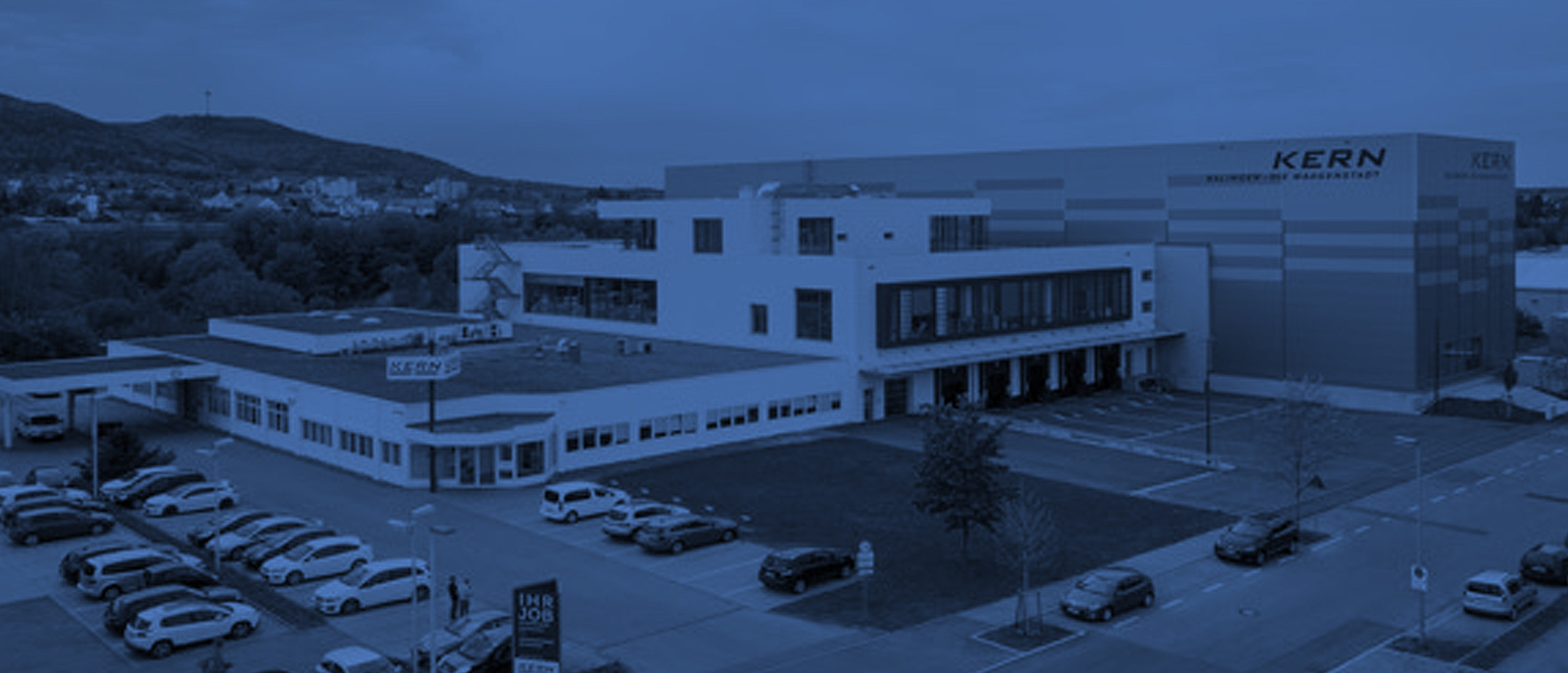
2019: KERN in its anniversary year with building expansion

On to New Horizons
At the beginning of the new millennium, Albert Sauter, the eldest son of Martin Sauter, joined the company. During these years, the traditional range of precision balances was significantly expanded to include industrial scales.
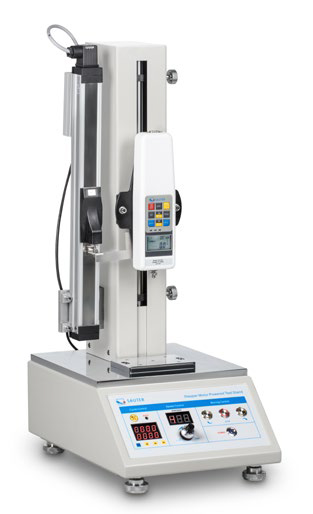
With the founding of SAUTER GmbH in 2006, Albert Sauter revived the traditional family name and, under the KERN umbrella, introduced measuring instruments for force, hardness and coating thickness.
New Business Segments and Expansion in Balingen-Frommern
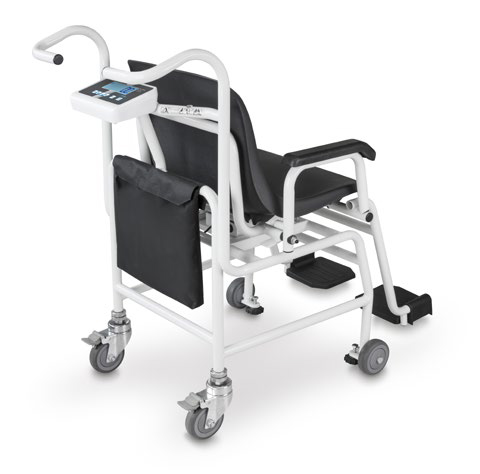
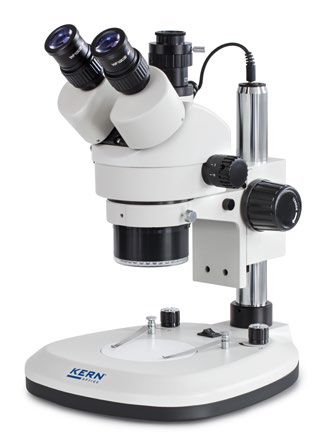
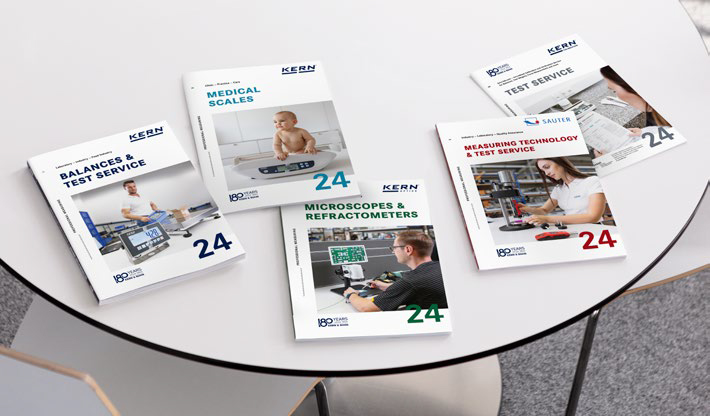
In 2008, KERN continued its diversification and expanded its product range with a comprehensive selection of medical scales. Six years later, the company entered another business segment with microscopes and refractometers.
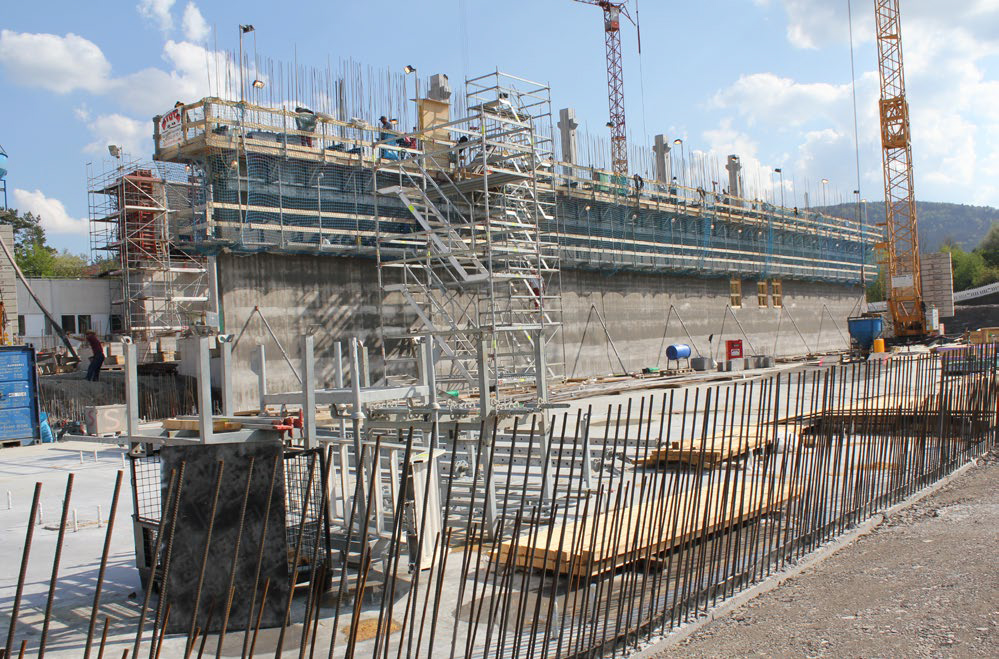
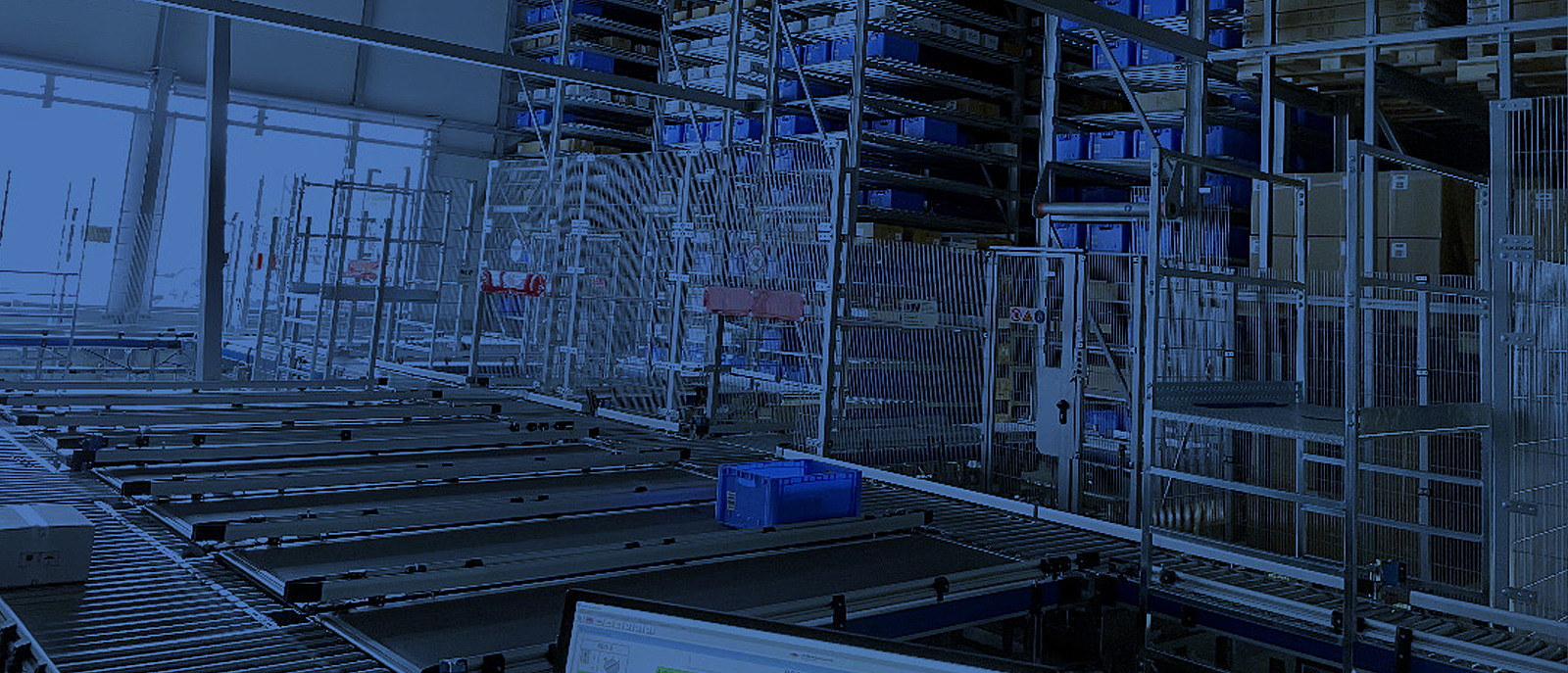
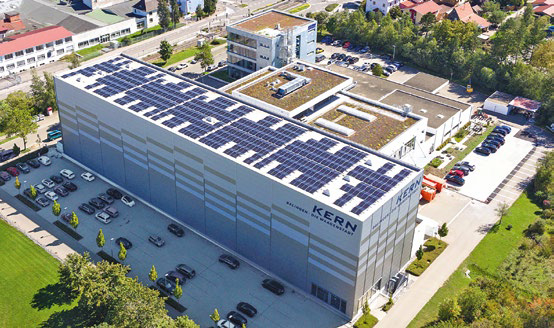
As the product range continued to grow, space at the Balingen-Frommern site once again became limited. The site was therefore significantly expanded in 2014–2015: a new multifunctional building and a high-bay warehouse with 100,000 storage locations created additional capacity for KERN’s continued growth.
2024
Shaping the Future of Precision
Fully automated KERN high-bay warehouse with over 100,000 storage locations
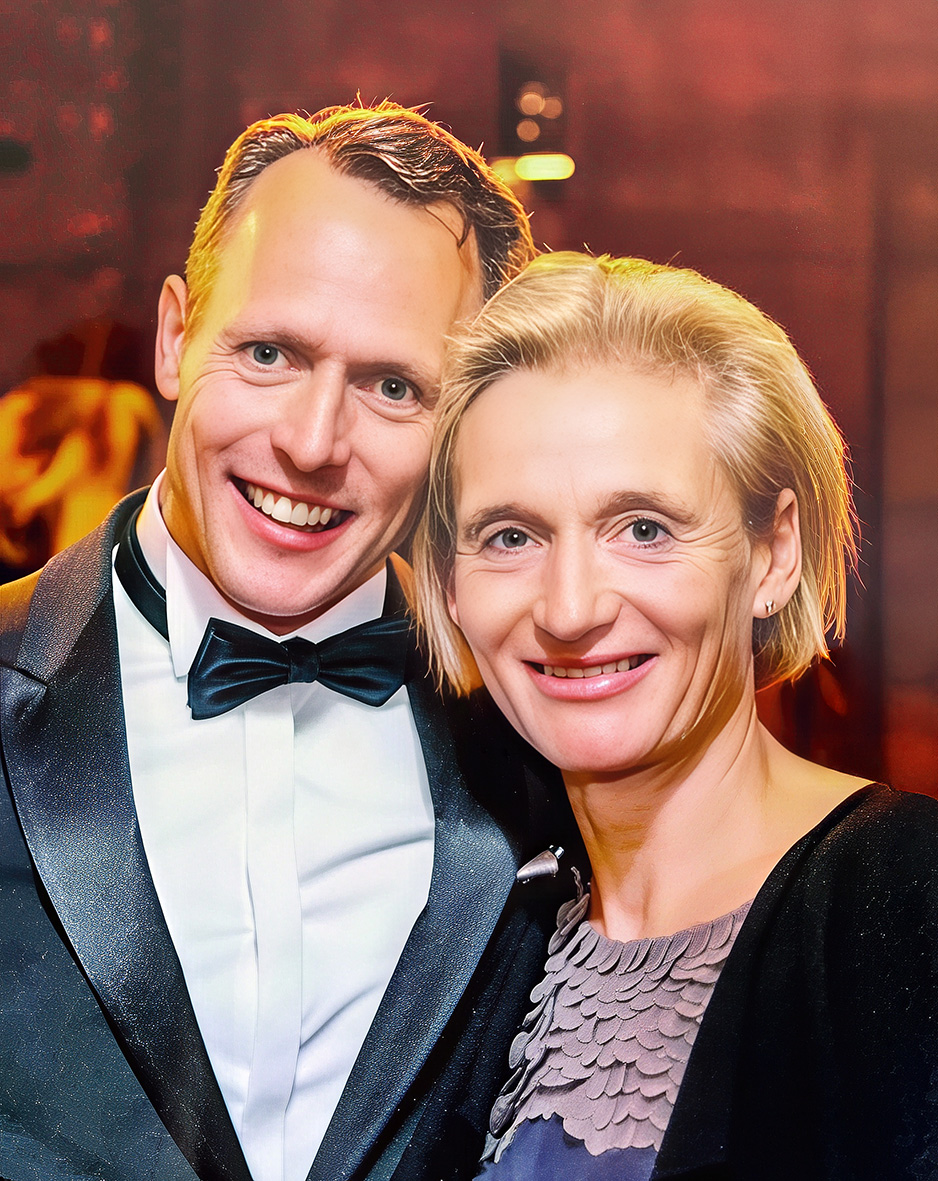
Today, KERN & SOHN is managed by the eighth generation and continues to keep pace with the times: with connected products, specialized software solutions such as EasyTouch and BalanceConnection, customized weighing solutions from CUSOS and a fully automated high-bay warehouse. Continuous innovation, consistent development and sustainable business practices provide the foundation for continuing the family company’s more than 180-year success story into the future.
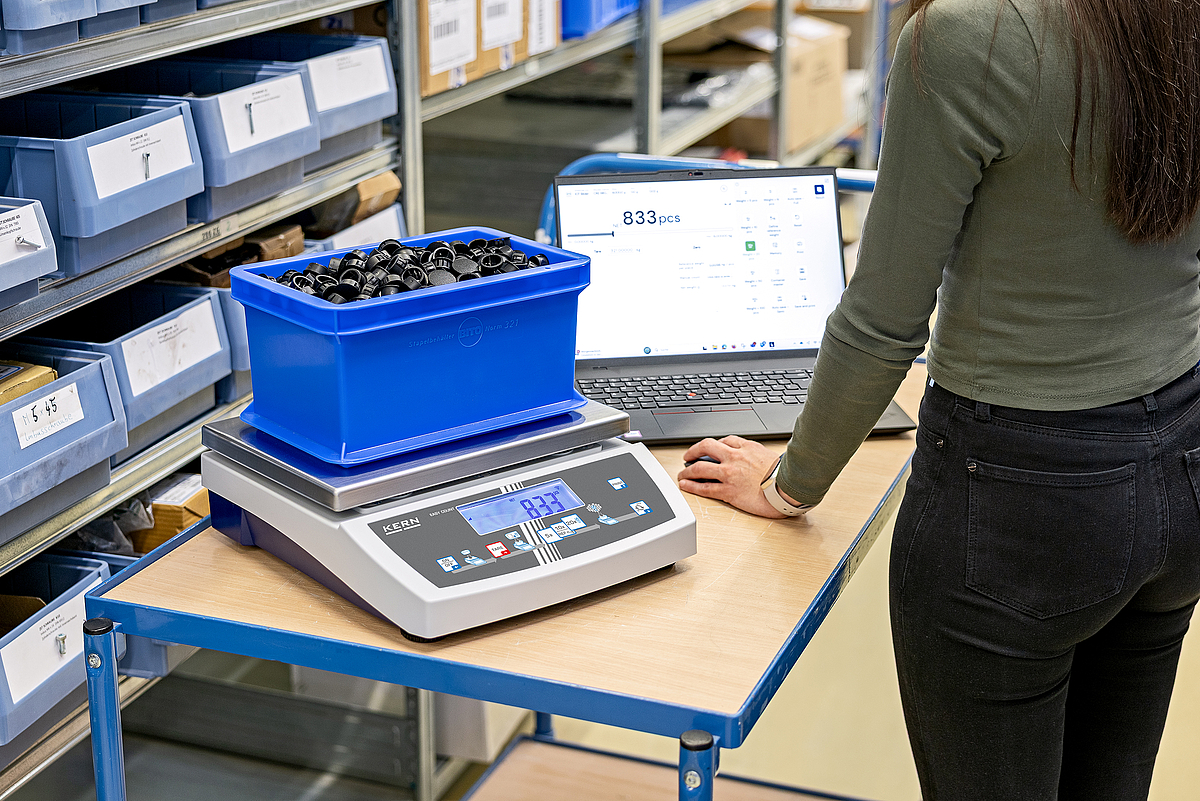
Launch of digital product generations
The latest innovations from KERN & SOHN include networkable IoT-enabled scales, advanced software solutions and intuitive touch systems. These technologies enable seamless integration, real-time data exchange and user-friendly operation. Together, they offer smart, connected weighing solutions for modern industries – enhancing efficiency, traceability and digital transformation in weighing and measuring processes.
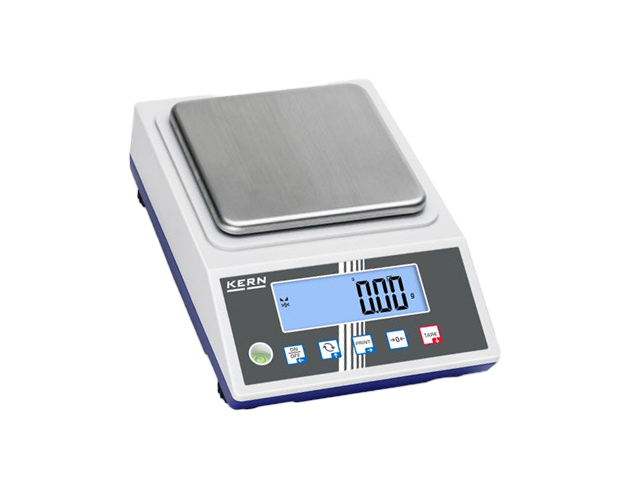
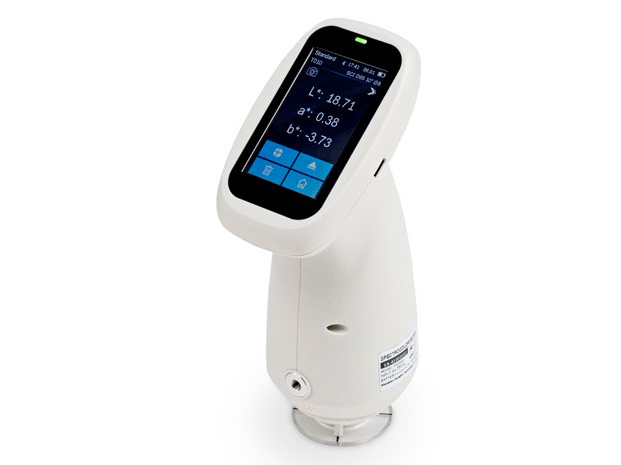
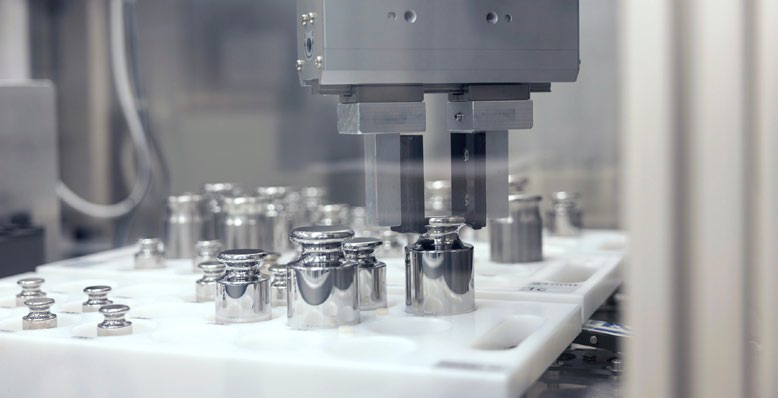
Further strengthening our international presence
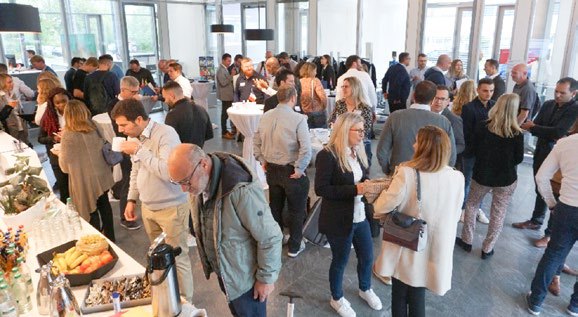
In 2024, KERN & SOHN received SFDA approval for IoT medical scales from the KERN IoT-Line. This established an important foundation for further expanding the company’s presence in Saudi Arabia and the Middle East. At the same time, KERN promotes international knowledge transfer through regular training courses and seminars for specialist dealers and service technicians – both on-site and online.
Today, KERN is represented in more than 90 countries and works with an international network of specialist dealers and distribution partners. Multilingual service and digital solutions support the company’s continued international expansion. At the same time, the family business remains true to its roots: in its eighth generation, KERN combines more than 180 years of experience with the values that continue to define the company today: quality, precision and continuous innovation.